
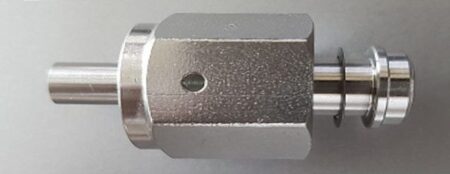
Anyone who has spent time assembling VCR-style fittings has seen how easily a good connection can turn into a problem. The moment the nut begins to tighten, friction builds between the nut and the gland. If there is no protective barrier, that friction can transfer directly to the gasket. The gland twists, the gasket shifts, and the entire joint is suddenly at risk. In high-purity systems, this is more than an inconvenience. A slight rotation at the wrong moment can introduce galling, bead wear, leaks, particle release, and expensive downtime.
Anti-torque rings prevent that rotational drag from reaching the sealing surfaces. They sit between the nut and the gland, acting as a low-friction buffer. Instead of dragging the gland with it, the nut turns freely, and the gasket stays right where it belongs.
Why Torque Transfer Is So Harmful
When a connection is first tightened, the gasket needs controlled, even pressure. That pressure forms the seal. But if the fitting is forced to twist while the gasket is being compressed, the sealing bead can scrape or score the gasket. Over time, this scraping leads to bead damage, deformation, and recurring leaks. In severe cases, it creates galling between stainless contact surfaces, which can destroy an expensive fitting in minutes.
Engineers often see this happen during rebuilds, testing cycles, or whenever a fitting is assembled multiple times. The more the joint is handled, the more the risk grows. Anti-torque rings break that pattern.
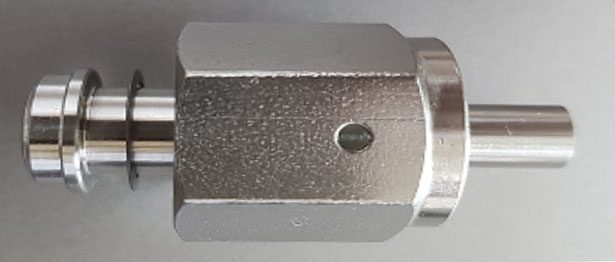
How Anti-Torque Rings Improve System Reliability
Our Anti-Toque Rings use a thin stainless substrate coated with a low-friction surface. The coating prevents the nut from biting into the metal below. It also protects the connection when the original silver plating on a female nut wears away. Once that plating wears off, stainless-to-stainless contact resumes, and friction spikes quickly. With the ring in place, the joint remains smooth even in this scenario.
The design is simple:
- The ring slips onto the nut.
- It spins freely as the nut turns.
- The gland and gasket remain still.
That small change dramatically reduces bead wear, improves gasket life, and keeps the sealing surface intact through repeated assembly cycles. It also helps prevent over-tightening from turning into physical damage, since the ring absorbs much of the mechanical stress that would usually build at the gland.
Where Anti-Torque Rings Make the Biggest Difference
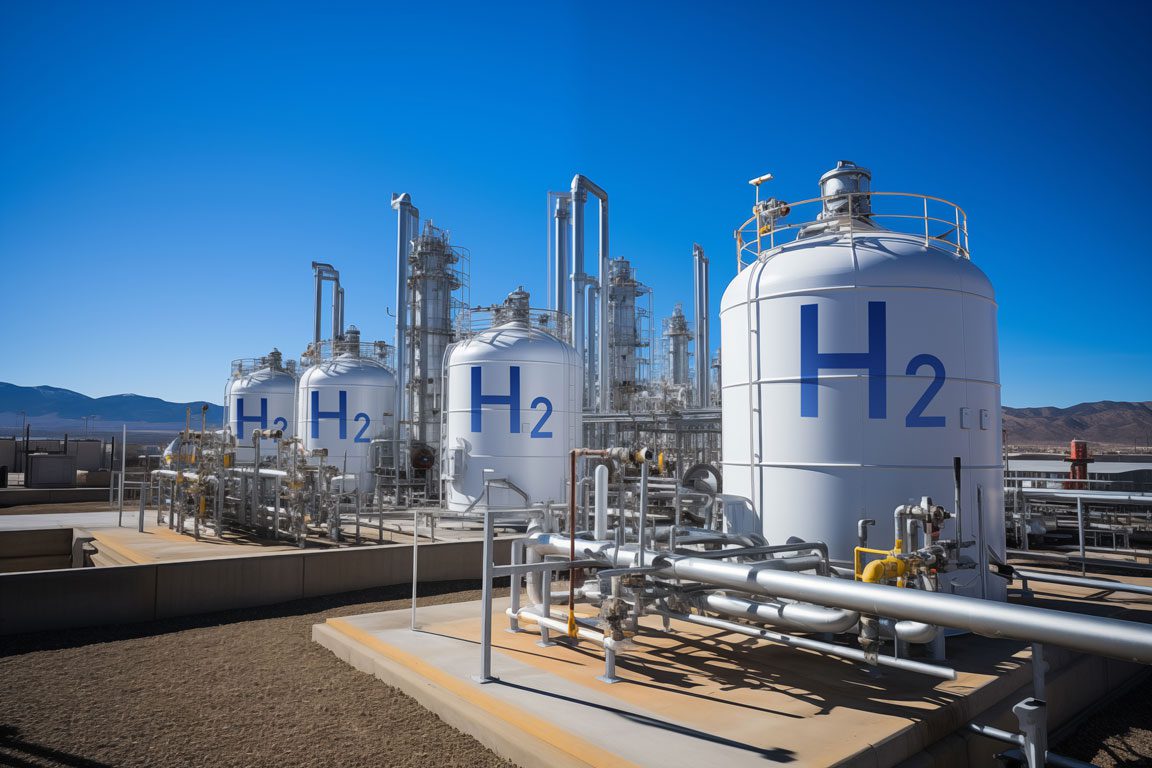
Semiconductor manufacturers rely on them during helium leak testing and tool maintenance, since fittings may be opened and closed many times. Aerospace teams use them to protect fittings during high-cycle testing, where metals are subjected to constant load changes. Labs, gas delivery builders, and anyone working with UHP lines see similar benefits. Wherever precision matters, torque control matters.
A Practical Upgrade
Anti-torque rings aren’t dramatic or complicated, but they solve a problem that shows up in nearly every clean, high-purity system. By stopping rotation at the source, they keep assemblies consistent, extend the life of fittings, and save engineers from preventable rework.
Contact us today to learn how we can help you integrate Anti-Torque Rings into your application.